










YOUR RIGHTS.YOUR NEXT CHAPTER.
FIND YOUR STARTING POINT ↓
Your situation. Explained in your words.Your options. Discussed clearly.Your next step. An informed decision.
A place to begin

Find your
starting point.

Choose the group closest to your concern to see relevant services. These groups help you browse; they do not decide eligibility. If your situation involves several topics, describe the connected events together. You do not need to identify a legal claim before contacting the office.

For individuals

Your accounts, purchases,
and everyday concerns.

A report contains an entry you believe is wrong. An unfamiliar account raises concern about identity misuse. A collector demands a disputed balance, a purchase differs from the offer, or a vehicle keeps returning for repairs. Start with the specific event, amount, or record you question.

The individual service guides explain common concerns, useful records, and questions for a review. Identify the companies involved, what you already requested, and their responses. More than one guide may apply—for example, an unfamiliar account may also appear on a credit report or lead to a collection demand.

Explore individual services
Real problems. Real help.

Explore the service
that fits the concern.

Each service guide explains common situations, records that may help, and limits to consider. Search by a problem or service, use an audience filter, or switch between Grid and List. Clear the search and select All services to restore the full directory. You can explore a guide without deciding whether you have a claim.

A brass magnifying lens over a credit file and financial charts.01

Credit Reporting

For a credit-report account, balance, payment history, or personal detail you believe is inaccurate. Identify the exact entry and compare it with your records. The guide explains how to organize the concern, earlier disputes, and company responses; it does not promise a higher score or credit approval.

Useful recordsComplete dated reports, the entry questioned, relevant statements or payment proof, earlier disputes, replies, and any documented connection to a credit decision.

Explore this service
A smartphone showing a fingerprint symbol beside a card sleeve.02

Identity Theft

For suspected use of your identity to open an account or carry out activity without permission. Explain what you discovered and what remains unresolved after contacting providers. An unfamiliar company name alone does not prove theft; the account, authorization, and company explanations need to be distinguished.

Useful recordsUnfamiliar notices or statements, dates of discovery, reports already made, confirmation numbers, provider responses, and related credit-report or collection records.

Explore this service
An incoming-call symbol on a phone beside unopened correspondence.03

Debt & Collections

For a disputed balance, missing payment or settlement credit, concerning collection contact, or debt-related court papers. Identify the creditor, collector, amount, and specific concern. Questioning an account, addressing collection conduct, and responding to a lawsuit can require different steps.

Useful recordsComplete notices and envelopes, statements, payments or settlement terms, messages, a dated contact log, and court papers with their delivery and response dates.

Explore this service
An empty delivery parcel beside a receipt and payment card.04

Consumer Fraud

For sales statements, unexpected charges, recurring billing, or goods or services that differ from the offer. Compare the specific promise, complete terms, actual transaction, and company response. A disappointing purchase or a rejected refund request does not by itself establish fraud.

Useful recordsOffers and their conditions, agreements, receipts, delivery or service records, cancellation or refund requests, replies, and any refund or temporary credit already received.

Explore this service
House keys resting on architectural plans beside a small home model.05

Homeowner Disputes

For a home-improvement project involving unfinished work, damage, disputed changes, or charges. This is a broader starting point when several project concerns connect. Explain the agreed work, current property condition, payments, and each company’s response without assuming one company controls every agreement.

Useful recordsContracts and approved changes, safe dated photographs, inspection findings, invoices and payments, relevant financing notices, and requests for correction with the responses received.

Explore this service
A diagnostic scanner and mechanic's tools beside a vehicle with its hood raised.06

Lemon Law

For recurring vehicle symptoms, extended repair time, or unresolved warranty concerns. The guide explains why the purchase or lease, actual coverage, repair opportunities, and responses matter. A repair count, recall, or used-vehicle label alone does not establish eligibility for a refund or replacement.

Useful recordsPurchase or lease documents, warranty and service-contract terms, complete repair orders with dates and mileage, time without use, and dealer or manufacturer correspondence.

Explore this service
Sunlight falling across photovoltaic cells and their mounting hardware.07

Solar Panel Disputes

For unfinished installation, approval delays, performance concerns, damage, or costs that differ from the sales explanation. Separate the project’s status, electricity production, bills, and financing or ownership arrangement. A higher utility bill alone does not show which part of the transaction needs attention.

Useful recordsProposals and contracts, approval or service records, production reports, complete utility bills, payment agreements and statements, coverage terms, and provider responses.

Explore this service
A calculator, payment records, and stacked coins on a desk.08

Financing & Loan Disputes

For unexplained loan terms, fees, missing or misapplied payments, or a balance that differs from your records. Identify the lender and the servicer handling the account. A possible account error and difficulty affording a payment are separate concerns; mortgage procedures do not automatically cover every loan.

Useful recordsFinancing documents, statements before and after the issue, payment proof, account history, written requests and replies, and any transfer, payment-change, or urgent notice.

Explore this service
Construction tools, tile samples, and a project folder on a workbench.09

Contractor & Warranty Claims

For unfinished work, disputed additions, installation problems, or a refused repair request. Compare the agreed scope, approved changes, present condition, and written coverage. The contractor, installer, product maker, and service provider may have different obligations; identify the promise each actually made.

Useful recordsContracts, specifications and changes, warranty terms, safe photographs or inspection findings, invoices and payments, repair requests, and complete provider explanations.

Explore this service
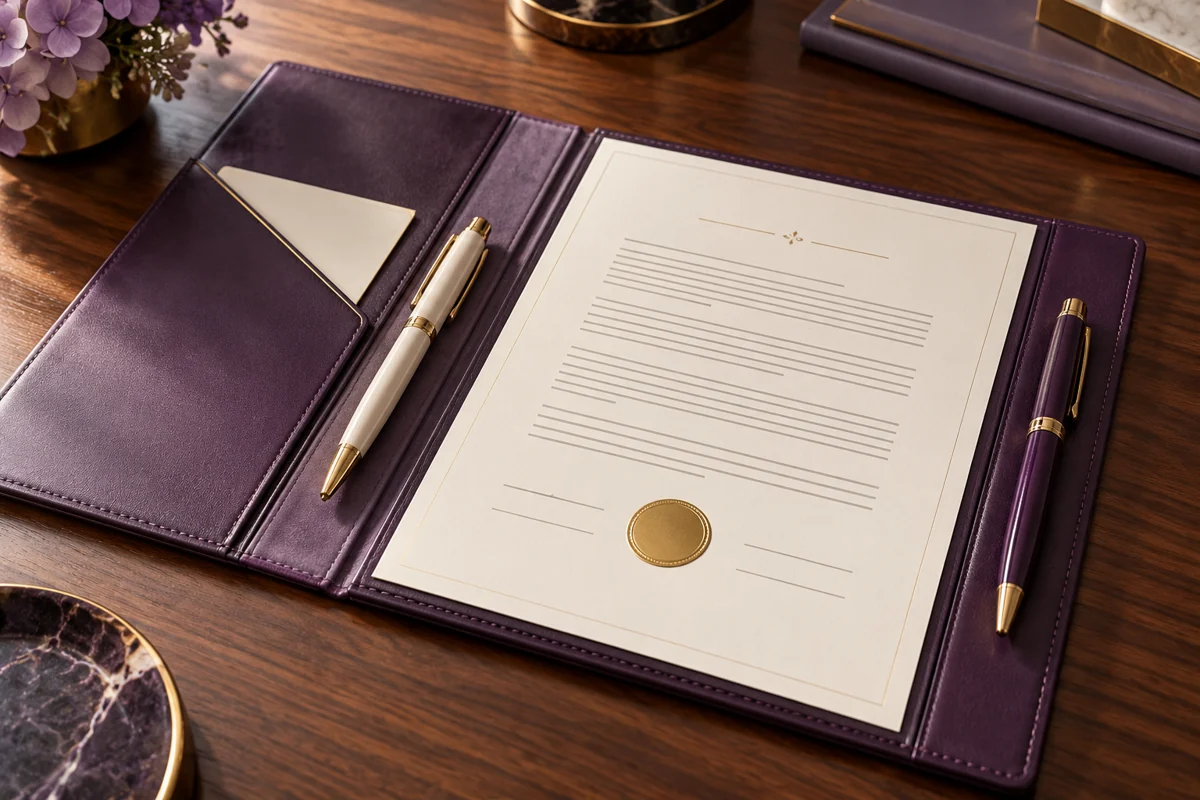
An agreement in a violet portfolio with two pens and a brass seal.10

Business Disputes

For an invoice, delivery, work scope, approval, or ongoing commercial relationship in dispute. Explain what each side agreed and performed, the amount questioned, and the practical result your business wants to discuss. Personal-consumer protections do not automatically apply to business transactions.

Useful recordsAgreements and changes, orders, invoices, payments and credits, delivery or completion records, approvals, full correspondence, formal demands, and proposed resolutions.

Explore this service

Explore all available services.

Not sure which service fits?

The short topic guide links to possible starting pages; it does not review your facts or determine eligibility. You can instead choose “I’m not sure yet” in the contact form and explain the whole situation once. Missing records or overlapping topics do not prevent an initial inquiry.

Common situations

Explore the use cases.
See what comes next.

Choose the situation closest to yours. Each example explains the problem, three questions that help clarify it, useful records, and a short sample inquiry. The guide links then take you to the relevant services. These are hypothetical situations, not client stories or promised outcomes. If several examples fit, explain the connected events together; you do not need to name a legal claim first.

Keyboard: use Left and Right arrows to move between choices, then Enter or Space to display one. Tab moves to the description and its guide links.

Illustrative scenario 01 / 06

An account on your credit report is unfamiliar, or its details appear wrong.

You review your credit report before applying for financing and find a retail account you do not recognize. You recently bought furniture, but the report uses a different company name and shows a balance you cannot match to your records. The provider has not yet explained the connection. You need to establish whether the account belongs to you and, if it does, which reported details you question.

Three questions that matter

  • Could the reported company name relate to a store, lender, or account you recognize? What has the provider confirmed?
  • If the account is yours, which balance, payment status, or date differs from your records?
  • If you still do not recognize it, what did you authorize, when did you discover the entry, and which companies have you contacted?

Records that help explain it

  • The complete dated credit report, with the particular entry identified.
  • Relevant purchase, account, and payment records, plus the provider’s explanation if available.
  • Any earlier disputes or identity-theft reports, their reference numbers, and complete company responses.

What to discuss with the firm

Explain what you recognize, what appears different, and what remains unconfirmed. A review can consider the identity of the account and the accuracy of its information as separate questions. Identify which company gave each explanation. If you suspect active misuse, contact the affected provider promptly through an independently verified channel rather than waiting for the firm.

Example first inquiry

“My credit report shows a retail account under a name I do not recognize, with a balance I cannot match to my records. I recently made a furniture purchase, but the provider has not confirmed whether it is connected. I have the report, purchase records, and my request for an explanation. I would like help reviewing the unresolved account information.”

This message belongs to the hypothetical example above. Use your own facts, amounts, and dates.

Keep in mind: An unfamiliar name does not establish theft, and an unfavorable entry does not prove an error. No score increase, account removal, or reimbursement follows automatically from an inquiry.

Explore further: Explore Credit Reporting for inaccurate account information and Identity Theft for suspected unauthorized use. Explain the uncertainty if both may fit.


Illustrative scenario 02 / 06

You asked to cancel a service, but billing continues and a payment demand follows.

You submit a cancellation request through a service provider’s website. The reply confirms that the request was received, but does not state when the service ends. Another charge appears, and a different company later demands payment. The original provider says a balance remained under the agreement. Your inquiry needs to explain both the cancellation history and the later demand.

Three questions that matter

  • What do the offer and complete agreement say about the service period, renewal, cancellation, and remaining charges?
  • When and how did you request cancellation, what response followed, and which later charges, refunds, or credits appeared?
  • Who now demands payment, what account and amount does it identify, and have you received formal notices or court papers?

Records that help explain it

  • The offer, enrollment confirmation, complete agreement, and original bills.
  • The cancellation request and replies, later statements, and records of any refund or credit.
  • The later payment demands, their envelopes, company responses, and any court papers with delivery details.

What to discuss with the firm

Put the events in date order and distinguish the original provider from the company now seeking payment. State what you asked each company to do and what it answered. A cancellation request, a payment-provider dispute, collection correspondence, and a court response can involve different steps; explain them together without assuming one request resolved every issue.

Example first inquiry

“I requested cancellation through the provider’s website and received a message confirming receipt of my request. Billing continued, and another company now demands payment. The provider says a balance remained under its terms. I have the agreement, cancellation messages, statements, and demand. I would like help understanding the cancellation dispute and the later collection.”

This message belongs to the hypothetical example above. Use your own facts, amounts, and dates.

Keep in mind: A charge after a cancellation request does not alone establish fraud. A refund request does not automatically cancel a collection demand or answer a lawsuit. Do not wait for the firm when an urgent response is required.

Explore further: Use Consumer Fraud for disputed sales or cancellation handling and Debt & Collections for the later demand or contact.

Illustrative scenario 03 / 06

Home repairs remain unfinished, and damage or extra charges create another disagreement.

A bathroom renovation stops before all agreed items are complete. Cabinet doors are missing, and you later notice water staining in the room below; the cause has not yet been confirmed. The contractor requests final payment and adds a charge it says was approved. You want to separate the unfinished work, the observed damage, and the disputed bill so each issue can be explained clearly.

Three questions that matter

  • What work and price were agreed, what changes were approved, and which items remain unfinished or different?
  • When did you notice the damage, what has a qualified professional found, and does a safety or protective measure need immediate attention?
  • Which amount or repair request is disputed, what did you ask the contractor to do, and how did it respond?

Records that help explain it

  • The complete contract, scope, schedule, approved changes, invoices, and payment records.
  • Dated photographs taken safely, available inspection findings, repair estimates, and receipts for necessary work.
  • Completion and repair requests, relevant warranty or service promises, and complete company responses.

What to discuss with the firm

Describe the agreed work, the present condition, the charges you question, and the correction you requested. Separate what you personally observed from a professional finding about the cause. The wider project history and any specific installation or warranty promise may need to be considered together. Identify separate financing and the company receiving those payments.

Example first inquiry

“Our bathroom renovation is unfinished, and we noticed water staining below it, although the cause has not been confirmed. The contractor requests final payment and an extra charge we dispute. We have the scope, invoices, payment records, photographs, and messages. We would like help explaining the unfinished work, the damage concern, and the disputed charges.”

This message belongs to the hypothetical example above. Use your own facts, amounts, and dates.

Keep in mind: Damage appearing after work does not by itself establish responsibility. Do not delay necessary safety measures to collect evidence or wait for a legal review. A project complaint does not automatically cancel separate financing.

Explore further: Start with Homeowner Disputes for the connected project concerns. Contractor & Warranty Claims explains agreed work and specific repair or coverage promises.

Illustrative scenario 04 / 06

The panels are installed, but the system is not operating when payments begin.

Solar panels are on the roof, but the installer says an approval or activation step is still pending. A separate payment provider sends the first notice, and its amount differs from the sales illustration you remember. Each company refers you to the other for part of the explanation. You need a clear account of the installation status and a separate explanation of the payment terms.

Three questions that matter

  • Which inspection, approval, or activation step remains, and what written update identifies who must complete it?
  • Did you purchase, finance, or lease the system, or agree to buy its electricity? What exactly does the payment cover?
  • Which amount or start date differs from the sales explanation, what conditions were stated, and how has each company responded?

Records that help explain it

  • The proposal, complete installation and payment agreements, sales messages, and payment schedule.
  • Installation records, inspection or utility correspondence, status updates, and any outstanding requirements.
  • Payment notices, account statements, payment proof, and complete requests and responses from each company.

What to discuss with the firm

List the outstanding operating steps separately from the account questions. Connect each question to the relevant company and document. Explain whether you are questioning the amount, payment start date, sales explanation, or how the account was handled. Identify missing documents or unanswered requests without filling those gaps with assumptions.

Example first inquiry

“Our solar panels are installed, but the system is not operating and the first payment notice has arrived. Its amount differs from the sales illustration we recall. The installer says an operating step is still pending, while the payment provider refers to its agreement. We have the proposal, agreements, status messages, and notice. We would like help clarifying both issues.”

This message belongs to the hypothetical example above. Use your own facts, amounts, and dates.

Keep in mind: Installed panels do not establish final approval. An inactive system does not automatically suspend a separate payment obligation. Do not operate electrical equipment yourself or assume a projected benefit is an account credit already received.

Explore further: Solar Panel Disputes addresses the project and sales history. Financing & Loan Disputes may also fit if a loan’s terms or account handling are disputed.

Illustrative scenario 05 / 06

Your vehicle keeps having the same problem after repair visits.

Your vehicle intermittently fails to start. One visit results in a repair; on another visit, the shop records that it could not reproduce the problem. The symptom returns later, leaving you without use of the vehicle again. You want to connect each occurrence with the repair record and understand what the purchase, coverage, and service history show.

Three questions that matter

  • When and where did you buy or lease the vehicle, was it new or used, and what warranty or service coverage came with it?
  • What happened at each occurrence, at what mileage, and what complaint, testing, or repair is recorded on each visit?
  • How long was the vehicle unavailable, what happened after each visit, and what has the dealer or manufacturer proposed?

Records that help explain it

  • The purchase or lease documents, warranty terms, and any separate service contract.
  • Complete repair orders, maintenance records, mileage, dates without use, and existing observations recorded safely.
  • Appointment requests, dealer or manufacturer replies, relevant receipts, and the complete proposed resolution.

What to discuss with the firm

Prepare a timeline showing the symptom, visit, work described, and what happened afterward. Include visits where no cause was found and periods when the vehicle operated normally. Keep your observations distinct from a technician’s findings. A review can consider the transaction, applicable coverage, repair opportunities, and the rules relevant to your location.

Example first inquiry

“My vehicle has an intermittent starting problem that has returned after repair visits. One order describes a repair; another says the shop could not reproduce the problem. I have the purchase and coverage documents, repair orders, mileage, and dates without use. I would like to discuss the repair history and any options that may fit my circumstances.”

This message belongs to the hypothetical example above. Use your own facts, amounts, and dates.

Keep in mind: Repeated visits do not automatically establish eligibility, a replacement, or a refund. Coverage for a used vehicle requires individual review. Do not recreate an unsafe event to record it; follow applicable safety instructions and obtain appropriate professional help.

Explore further: Explore Lemon Law for recurring vehicle and warranty concerns. Prepare for Review helps organize the history without requiring a complete file first.

Illustrative scenario 06 / 06

Your business has an incomplete order and a disagreement about the remaining bill.

A shop orders shelving for an opening and receives only part of it. During the project, a manager requests a design change; the later invoice includes a charge the shop says was never approved. The supplier requests the remaining payment while some units are still outstanding. The businesses need to compare the original order, later communications, delivery, and payment history.

Three questions that matter

  • Which businesses made the agreement, who could approve changes, and what do the original order and later messages say?
  • What was delivered, accepted, questioned, returned, or left outstanding, and what explanation does each side give?
  • What has been paid or credited, which amount is disputed, and is the immediate priority delivery, payment, clarification, or ending the arrangement?

Records that help explain it

  • The contract, purchase order, specifications, delivery terms, and approved changes.
  • Delivery and inspection records, invoices, payments, returns, credits, and documented additional expenses.
  • Complete correspondence, proposed corrections or resolutions, formal demands, and any court papers.

What to discuss with the firm

Compare what was agreed with what each business actually did. Identify the specific items in dispute and include records supporting both accounts. Explain the practical result you want to discuss and any approaching operational or legal date. Keep estimated disruption separate from expenses already incurred; an assessment of possible recovery is a separate question.

Example first inquiry

“Our business received only part of a shelving order, and the supplier now requests the remaining payment. The bill also includes a design-change charge that we dispute. We have the order, change discussions, delivery records, invoices, and payment history. We would like help clarifying the outstanding delivery and disputed amount and discussing a practical next step.”

This message belongs to the hypothetical example above. Use your own facts, amounts, and dates.

Keep in mind: An incomplete delivery or disputed invoice does not decide every obligation. Consumer rules do not automatically apply to business transactions, and no settlement or recovery is guaranteed. A discussion does not extend a contractual or court deadline.

Explore further: Start with Business Disputes for the agreement and performance concern. The Businesses guide provides broader preparation and routing information.

Explain the connected events in one inquiry.

Use a sample to organize your message, then replace every detail with your own facts. Begin with your state, whether the matter is personal or business-related, the companies involved, and the main unresolved issue. Add important dates, amounts paid or demanded, what you already requested, and the response. State the result you want to discuss and identify missing information. Put court papers, sale notices, ongoing misuse, or an approaching deadline first.

The linked guides help you read about services; they do not assess your legal claim or limit what you may explain. Choosing an example only changes the information displayed. It does not contact a company, file a dispute, cancel an agreement, or send an inquiry. If you are unsure which service fits, select “I’m not sure yet” in the contact form and describe the whole situation.

Leave Social Security numbers, full account numbers, passwords, PINs, one-time codes, and confidential documents out of the initial message. For suspected active account misuse, contact the provider promptly through a verified channel. Address immediate physical or property hazards through appropriate local help. For an approaching legal deadline, call (888) 742-2880 and identify the date. An inquiry or receipt does not establish representation or pause a deadline; seek timely local assistance if the firm has not agreed to act in time.

Interactive guide

Your interactive
situation planner.

Choose a concern and watch the situation map change. Try three worked payment examples or compare your own figures, then build a first message in your own words. You can skip the amounts and go straight to your draft.

Try it without entering your contact details.

If the interactive controls are unavailable, you can still prepare a useful first message with these three steps. The examples above and all service guides remain available.

  1. Describe the issue and what you want to understand.
  2. List the records you have, keeping payments, refunds, and any unpaid demand separate.
  3. Share a brief summary through the contact form, and identify any urgent date.
Explain your situation or call (888) 742-2880.
A sunlit residence with rooftop solar panels and a landscaped garden.
Homeowner defense

Understand the project.
Separate the responsibilities.

A home-project problem can involve separate sales, installation, service, warranty, and payment agreements. Identify who made the promise, who performed the work, who receives payments, and who responded to your concern. A shared brand or referral does not by itself explain each company’s responsibility.

Connect the promised work with what was completed, the current condition, amounts paid, and requests still unanswered. Keep safe photographs, inspection findings, and company responses. A review does not itself change a contract or payment obligation. Address immediate safety hazards through appropriate professional or emergency help rather than waiting for an inquiry response.

Our purpose & your first steps

Know how an inquiry
can move forward.

Several companies, documents, and unanswered questions can make a legal concern difficult to explain. Our purpose is to make the first conversation clearer: describe what happened, identify the issue needing review, and understand the questions that come next. Begin with the facts you know and explain what remains uncertain.

An inquiry, an evaluation, and accepted representation are different stages. The steps below explain how a request may proceed, what you may be asked to provide, and what to clarify before relying on the firm to act. You should understand the proposed work and its limits before deciding.

Learn about our approach
01

Share the essentials

Give your state, the main problem, the people or companies involved, key dates, what you already requested, and the response. Identify any court paper or approaching deadline first. A short account is enough to begin; list the records you have without sending sensitive information or confidential documents through the initial form.

02

Find out whether we can help

The team first considers the subject, location, timing, and any conflict that could prevent assistance, such as obligations involving another party. If the inquiry proceeds to evaluation, an attorney can consider the relevant facts and records. More information may be needed; a service listed on this site does not mean every matter can be accepted.

03

Discuss options before deciding

If representation is offered, ask what work is included and excluded, what next steps are proposed, how fees and other expenses would work, and who handles communication and deadlines. Confirm the accepted arrangement separately in writing. An inquiry, receipt, or initial discussion alone does not mean the firm is contacting another party or responding to a proceeding for you.

What does “free evaluation” mean?

The initial case evaluation is offered without an evaluation fee. Any later representation, attorney fees, and other costs require separate discussion and agreement. Ask how billing would work, which tasks are included, and what additional expenses may arise. A free evaluation does not promise free later services, acceptance of the matter, or a particular result.

Can you review a matter in my state?

Tell us where you are located and where the events or transaction occurred. Availability depends on the subject, applicable rules, attorney authorization, conflicts, timing, and acceptance of the matter. Nationwide representation is not assumed. Identify an urgent date before waiting for an availability decision. Read common questions about getting started.

Understanding possible outcomes

Describe the result
you want to discuss.

You may want an explanation, a corrected record or charge, completed work, a repair, recovery of a documented loss, or a way to address a business disagreement. These are possible objectives, not reported case outcomes. Explain the effect on you and which change matters most, including any alternative you would consider.

If the matter proceeds to evaluation, the facts and available options can guide discussion of correspondence, negotiation, an appropriate complaint process, or legal proceedings. Ask about evidence still needed, proposed work, costs, and uncertainty. A practical goal is different from a result already agreed or achieved; no particular correction, recovery, or outcome is guaranteed.

How we discuss results and expectations
Prepare at your own pace

Prepare a clear
first account.

Use these four starting points to organize what you already know. A complete file is not required, and you do not need to calculate a legal claim. Identify missing information and explain any urgent date before spending more time on preparation.

01

Write a short timeline

List the agreement or purchase, the first sign of the problem, requests for help, responses, and what happened afterward. Connect each event to a record when possible. Keep a notice’s printed date separate from when it arrived, and label approximate dates or recollections clearly.

Build your timeline
02

Identify useful records

Keep complete agreements, notices, statements, relevant messages, and safely obtained photographs. Preserve originals and organize copies. Include replies, refunds, credits, or partial corrections as well as unresolved concerns. Describe the records in the initial form and ask how to provide documents if they are requested.

Prepare your records
03

Know what you want to ask

Write the main question and practical change you want to discuss. Keep amounts paid, unpaid demands, refunds, and estimates separate. Ask about possible approaches, information still needed, fees, other expenses, and communication. Before accepting representation, clarify the work included and responsibility for specific next steps.

Read the getting-started FAQ
04

Flag any urgent date

Call promptly about court papers, a formal demand, scheduled sale, or response date, and retain the complete notice. An inquiry does not stop a deadline or confirm that an attorney is handling it. Seek timely local assistance if the firm has not agreed to act in time; do not wait for a perfect file.

Call (888) 742-2880
An illustrative entrepreneur reviewing design materials in a bright studio.
For businesses

Keep the dispute connected
to your business needs.

An unpaid invoice, missed delivery, disputed change, or unfinished service can affect the rest of your operation. Explain the agreement, what each side actually did, where the accounts differ, and any immediate effect on customers or ongoing work. Include the other party’s explanation and records that may complicate your position.

Identify whether the priority is payment, completion, correction, a continued relationship, or a proposed ending. Separate documented expenses from estimated disruption and identify upcoming decisions. Those facts help frame a discussion of options, costs, and practical limits; they do not establish that every claimed amount is owed or recoverable.

Let’s move forward

Tell us the concern.
Start with the key facts.

Call the office or use the form for a brief initial overview. Include your state, the main problem, the people or companies involved, important dates, what you have already requested, and the latest response. Identify any approaching deadline first. Choose the closest topic or “I’m not sure yet”; you can explain connected concerns together without sending a separate inquiry for each service.

Call Lex Bellator(888) 742-2880info@lexbellatorgroup.com

Chino Hills office

Lex Bellator
13925 City Center Drive, Suite 267
Chino Hills, CA 91709
Find the office address on Google Maps

Call before visiting to confirm availability. Assistance depends on the matter, jurisdiction, conflicts, and acceptance of representation.

What happens after you submit?

  1. After a successful online submission, the page displays a receipt and reference number for the inquiry. Keep that reference if you need to follow up.
  2. An email acknowledgment and contact card should follow. Check the email address entered and your spam folder; call if the confirmation does not arrive.
  3. The team considers the inquiry and possible next steps. Confirm any accepted representation, agreed work, fees, and responsibility for deadlines separately in writing.

A receipt confirms the inquiry, not attorney review, an appointment, or case acceptance. If the site offers an email draft, review and send it in your email app; preparing it does not send the message or trigger an automatic acknowledgment. If the online form reports an error, follow its retry or office-contact instructions.

The contact-card link downloads a file. Open it in a compatible contacts app and choose whether to save or import it. Downloading the card does not submit an inquiry or book a consultation.

Keep us within reach.Save Lex Bellator to your contacts

For an approaching deadline, call (888) 742-2880 and explain the date and current status. Do not assume the firm is handling a response while you wait. An inquiry does not pause a deadline or establish representation; seek timely local assistance if the firm has not agreed to act in time.

Start a conversation

Tell us what happened.

Briefly describe what happened, what remains unresolved, and what you want to understand or change. Identify the records you have and any urgent date. If you added a draft from the page’s organizer, review and edit it here before submitting. Fields marked * are required.

Leave out Social Security numbers, full account numbers, passwords, one-time codes, and confidential documents. The form accepts a brief written summary, not attachments; ask how to provide records if requested.

YOUR INQUIRYStart with your details
0 / 1,800 characters

After you send your request, we will email you a confirmation. Please check that your email address is correct.

Call usFree case evaluation
LEX BELLATORCLARITY. THEN ACTION.
Explore solutionsBrowse all 10 practice areas
Free case evaluation (888) 742-2880info@lexbellatorgroup.comSave our contact
Find your starting point

What happened?

Select the issue closest to your situation.

This guide helps you explore services. It does not evaluate whether you have a legal claim.

One more step

Your request is ready to send.

Direct delivery is unavailable here. Continue to your email app to review and send your request to info@lexbellatorgroup.com. Nothing has been submitted yet.

If an email app does not open, you can email us directly at info@lexbellatorgroup.com.

Find your next step

Explore Lex Bellator.

Search across all 29 pages.Esc to close